


Home - Articles - One-pot spring pasta dinners (because you’re not doing dishes tonight)

Inside the Article

Share Article

The Bite’s content sent directly to you!

Trending Articles

One-pot spring pasta dinners (because you’re not doing dishes tonight)

one pot spring pastas

Inside the Article

The Bite’s content sent directly to you!

There’s a specific kind of defeat that hits around 6:45 on a Tuesday. You managed to get dinner on the table—an actual, real dinner with a vegetable and everything—and now the kitchen looks like a crime scene. Three pots, a colander, two cutting boards, a strainer you forgot you owned. The food was fine. The cleanup is going to outlive you.

One-pot pasta exists to break that cycle. You cook the noodles right in the sauce, everything melds together while you do literally anything else, and at the end you have one pot to wash. That’s it. And because it’s finally spring, these recipes lean into the good stuff that’s showing up at the grocery store right now: asparagus, snap peas, fresh herbs, all the lemon you can squeeze. Light enough that you don’t feel like you’re eating November food in April, but substantial enough that nobody’s asking for a snack 20 minutes later.

Below are seven one-pot spring pasta dinners that are fast, forgiving, and require minimal ambition. Some are Motherly originals, some are linked out to recipes we love. All of them respect the fact that you have better things to do than scrub a stockpot tonight.

1. One-Pot Lemon Ricotta Pasta with Peas

Motherly Original

Cook time: 20 minutes  |  Serves: 4

This is the pasta equivalent of throwing open the windows on the first warm day. The ricotta melts into the starchy pasta water to create a creamy sauce without you having to make an actual sauce, and the lemon brightens the whole thing so it tastes like you put in way more effort than you did. Frozen peas work perfectly here—dump them straight from the bag, no thawing required.

What you need: 1 lb short pasta (orecchiette or shells work great), 1 cup whole-milk ricotta, 1 cup frozen peas, zest and juice of 2 lemons, 3 cloves garlic (minced), 1/2 cup grated Parmesan, 2 tbsp olive oil, red pepper flakes, salt, and black pepper.

How it works: Cook pasta in salted water per package directions, adding frozen peas in the last 2 minutes. Reserve 1 cup pasta water before draining. In the same pot, warm olive oil over medium heat and sauté garlic for 30 seconds. Add pasta, peas, ricotta, lemon zest, lemon juice, and about half the pasta water. Toss until the ricotta melts into a creamy coating, adding more pasta water as needed. Finish with Parmesan, red pepper flakes, salt, and pepper.

Why it works for families: The ricotta makes it creamy enough that cheese-loving kids are on board, and the peas are small enough to fly under the radar for most picky eaters. You can also let older kids squeeze the lemons, which buys you approximately 90 seconds of peace.

2. Creamy Pea and Bacon Orecchiette

Motherly Original

Cook time: 25 minutes  |  Serves: 4–6

Bacon is the universal translator of the dinner table. It gets even the most vegetable-skeptical family member to sit down without complaint. Here it renders in the pot first, then everything else—pasta, broth, cream, peas—cooks in that bacon-flavored liquid. The result is rich and a little indulgent without being heavy, and you’ve got one pot and one cutting board to deal with afterward.

What you need: 1 lb orecchiette, 6 slices thick-cut bacon (chopped), 1.5 cups frozen peas, 3 cups chicken broth, 1 cup heavy cream, 3 cloves garlic (minced), 1/2 cup grated Parmesan, fresh cracked pepper.

How it works: Cook chopped bacon in a large pot over medium heat until crispy. Remove bacon, leaving the fat. Sauté garlic in the bacon fat for 30 seconds. Add broth and cream, bring to a boil, then add pasta. Cook, stirring occasionally, until pasta is al dente and the liquid has reduced into a creamy sauce (about 12–14 minutes). Stir in frozen peas and let them warm through for 2 minutes. Top with crispy bacon and Parmesan.

Why it works for families: The bacon does the heavy lifting for kid appeal. The peas cook so quickly they turn sweet and soft, which tends to go over better than crunchy vegetables with younger eaters. And the one-pot method means the pasta absorbs all that smoky, creamy flavor as it cooks—no draining, no separate sauce.

3. One-Pot Pasta Primavera

The Kitchn

Cook time: 30 minutes  |  Serves: 4–6

Pasta primavera is spring’s whole personality in a bowl, and the one-pot version eliminates the most annoying part: boiling pasta in one pot while sautéing vegetables in another. In this version, everything goes into the same pot. The pasta releases starch as it cooks, which thickens the sauce naturally, so you get that silky coating without needing to do anything extra.

Load it up with whatever spring vegetables look good at the store this week—asparagus, snap peas, mushrooms, zucchini, leeks—and finish with lemon and Parmesan. It’s one of those meals that feels virtuous but doesn’t taste like a compromise.

What to look for in a good version: A recipe that cuts the vegetables small enough to cook evenly with the pasta, uses broth instead of just water for more flavor, and finishes with something bright (lemon zest, fresh basil, a squeeze of lemon juice). Bonus points if it includes a cream or butter element to round out the sauce. Our family are big fans of the garlicky, colorful version from The Kitchn.

4. One-Pot Lemon Garlic Shrimp Pasta

Motherly Original

Cook time: 20 minutes  |  Serves: 4

This is the dinner you make when you want to feel like you really cooked something, but you also want to be sitting on the couch in 25 minutes. Shrimp cooks in about 3 minutes, lemon and garlic do all the flavor work, and linguine soaks up the brothy, garlicky sauce as it simmers. It’s the kind of thing you’d order at a restaurant and be shocked at the price, and then you realize it costs about $12 to make at home in a single pot.

What you need: 1 lb linguine, 1 lb large shrimp (peeled, deveined), 4 cloves garlic (thinly sliced), zest and juice of 2 lemons, 3.5 cups chicken or vegetable broth, 1/2 cup dry white wine (or more broth), 3 tbsp butter, 2 tbsp olive oil, red pepper flakes, fresh parsley, salt.

How it works: Heat olive oil in a large pot over medium-high heat. Add garlic and red pepper flakes, cook 30 seconds. Pour in broth and wine, bring to a boil. Add linguine, pressing it into the liquid, and cook 9–10 minutes, stirring occasionally, until pasta is al dente and most of the liquid is absorbed. Push pasta to one side, add shrimp to the open space, and cook 2–3 minutes per side until pink. Stir everything together with butter, lemon zest, and lemon juice. Top with parsley.

Why it works for families: If your kids eat shrimp, this is a slam dunk. If they don’t, the lemony garlic pasta on its own is still a complete meal—just set the shrimp aside as a grown-up add-on. The wine cooks off completely, but you can sub in extra broth without losing much.

5. Creamy Tomato Basil Pasta with Spinach

Jo Cooks

Cook time: 25 minutes  |  Serves: 4–6

Every family needs a stealth-greens pasta in the rotation, and this is the one. Cherry tomatoes burst and collapse into a creamy, slightly sweet sauce, and the spinach wilts down to almost nothing—which is exactly the point. Kids who would stage a full protest over a spinach salad will eat this without blinking, because by the time it’s stirred in, it just looks like flecks of green in a pink, cheesy sauce.

This works year-round, but it’s especially good in spring when cherry tomatoes start getting sweet again and fresh basil is easy to find. Look for a recipe that uses cream cheese or a splash of heavy cream to get the sauce velvety, and one that cooks the pasta right in the tomato-broth liquid so everything is deeply flavored. We’ve made several versions but have deemed Jo Cooks’ recipe our fave. It must be the Italian seasoning!

6. One-Pot Asparagus and Parmesan Pasta

Motherly Original

Cook time: 20 minutes  |  Serves: 4

This is the meal for the night when you have approximately one vegetable in the fridge and 20 minutes before someone starts melting down. Asparagus is the star, Parmesan does the heavy lifting on flavor, and the pasta water trick—reserving some of that starchy liquid and tossing it with butter and cheese—gives you a sauce that tastes like it took way longer than it did. It’s basically elevated pantry pasta with a seasonal upgrade.

What you need: 1 lb short pasta (penne or rigatoni), 1 bunch asparagus (trimmed and cut into 1-inch pieces), 3 tbsp butter, 3 cloves garlic (minced), 1 cup grated Parmesan, zest of 1 lemon, salt, pepper, fresh basil if you have it.

How it works: Cook pasta in salted water per package directions, adding asparagus pieces in the last 3 minutes. Reserve 1.5 cups pasta water before draining. In the same pot, melt butter over medium heat and sauté garlic for 30 seconds. Add pasta, asparagus, and about 1 cup of the reserved pasta water. Toss with Parmesan and lemon zest, adding more pasta water until you get a glossy, clingy sauce. Season with salt and pepper. Tear basil over the top if you’ve got it.

Why it works for families: The asparagus pieces are small enough that they don’t dominate any single bite, and the Parmesan butter sauce is basically kid catnip. If you’ve got a child who only eats “white food,” this still qualifies—the asparagus is negotiable, the buttery cheesy pasta is not.

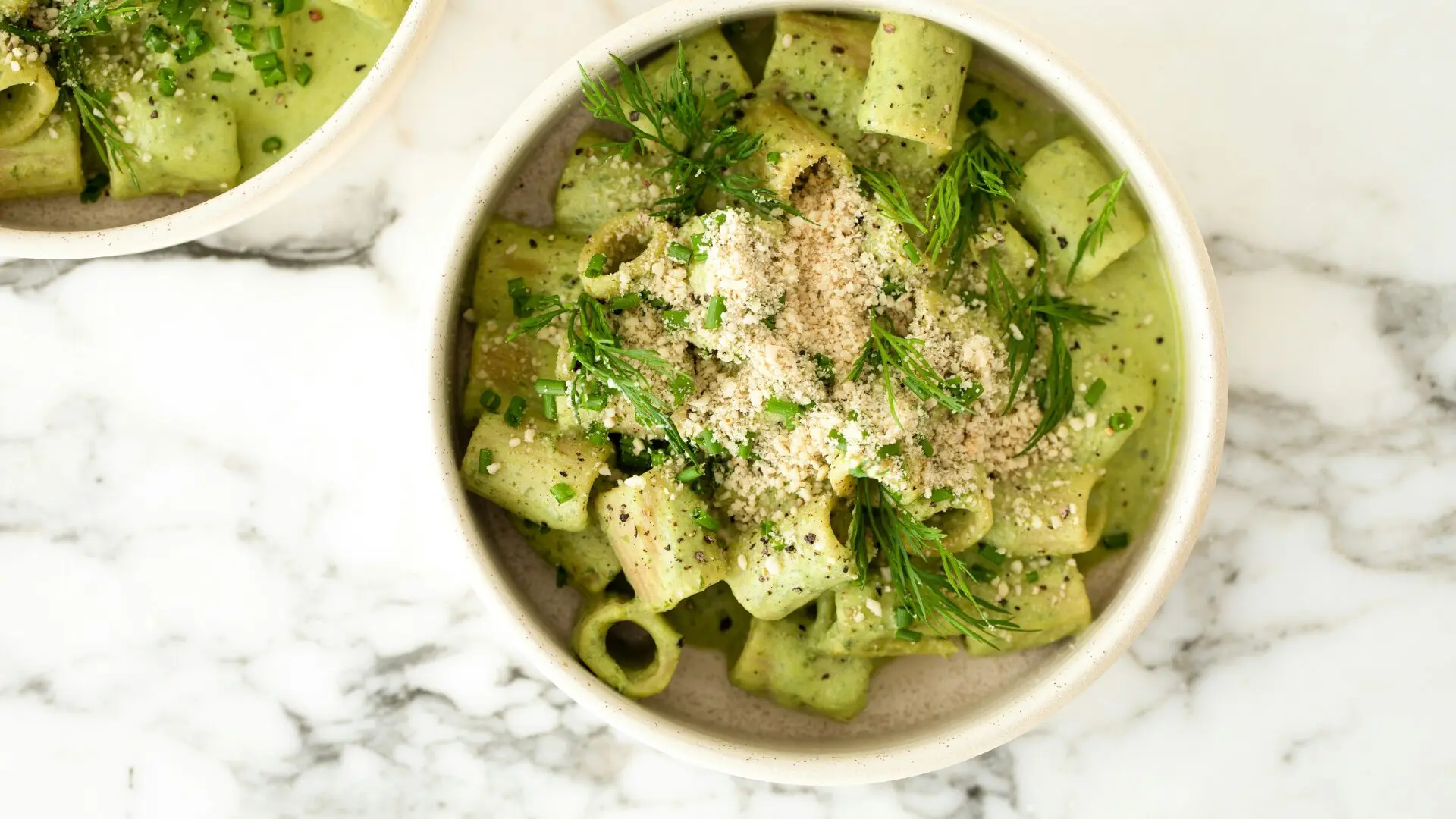
7. One-Pot Pesto Pasta with Spring Vegetables

Motherly Original

Cook time: 25 minutes  |  Serves: 4–6

Pesto pasta is one of those meals that feels special but is actually absurdly low-effort, especially when you use jarred pesto (no judgment, ever). The spring vegetable version loads in snap peas, zucchini, and whatever else looks good, and the pesto coats everything in that herby, garlicky, Parmesan-salty flavor that makes even the most basic weeknight dinner feel like something you’d Instagram.

The trick to the one-pot version is adding the pesto at the end, off the heat, so it stays bright green and doesn’t turn muddy. Toss it with the hot pasta and a good splash of pasta water, and it emulsifies into a silky sauce. A handful of toasted pine nuts or some torn fresh mozzarella on top takes this from weeknight dinner to “wait, did you make this?” territory.

What you need: 1 lb casarecce or fusilli, 1 cup snap peas (halved), 1 small zucchini (diced), 1/2 cup jarred or homemade pesto, 1/3 cup grated Parmesan, 2 tbsp olive oil, toasted pine nuts and fresh mozzarella for topping (optional), salt and pepper.

How it works: Cook pasta in salted water per package directions. In the last 3 minutes, add snap peas and zucchini. Reserve 1 cup pasta water and drain. Return everything to the pot off the heat. Stir in pesto and olive oil, adding pasta water a splash at a time until the sauce is glossy and coats the pasta. Season with salt and pepper. Top with Parmesan, pine nuts, and torn mozzarella if desired.

Your one-pot pasta cheat sheet

A few things that make one-pot pasta work every time, no matter which recipe you’re making:

Use short pasta shapes when you can. Orecchiette, shells, penne, and fusilli absorb sauce better and cook more evenly in a single pot than long noodles. Linguine and spaghetti work too, but you’ll need to stir more often to keep them from clumping.

Don’t skip the pasta water. That starchy liquid is what turns butter and cheese into a sauce. Always reserve at least a cup before draining (or better yet, use a slotted spoon or spider to transfer the pasta so you keep the water in the pot).

Season as you go. Pasta water should taste like the ocean. If your pasta is bland, it’s almost always because the water wasn’t salty enough. Taste before you plate and adjust.

Add delicate vegetables at the end. Peas, spinach, snap peas, and fresh herbs should go in during the last 2–3 minutes of cooking. Asparagus and zucchini can handle 3–4 minutes. If you add them too early, they’ll turn to mush.

Frozen vegetables are your friend. Frozen peas, corn, and spinach all work beautifully in one-pot pasta. No prep, no waste, always available. Toss them in from frozen—the pasta water thaws and cooks them in minutes.

Frequently asked questions

What is the best pasta shape for one-pot cooking?

Short, sturdy shapes like orecchiette, penne, rigatoni, shells, and fusilli are the most reliable for one-pot cooking. They hold their shape well, cook evenly, and grab onto sauce. If you prefer long pasta, linguine works better than spaghetti because it’s slightly sturdier and less likely to clump.

Can you make one-pot pasta ahead of time?

You can, but it’s best eaten fresh since the pasta continues to absorb liquid as it sits. If you’re meal prepping, slightly undercook the pasta and store it with extra sauce or a splash of broth. Reheat on the stovetop over medium-low heat, adding a little water or broth to loosen the sauce back up.

How do you keep one-pot pasta from getting mushy?

The key is liquid ratio. Use just enough broth or water to cook the pasta—you want most of it absorbed by the time the pasta is al dente. Stir occasionally to prevent sticking, and start checking the pasta a minute or two before the package time. If there’s too much liquid left, crank the heat for a minute to let it reduce.

Is one-pot pasta actually good, or is it a shortcut that tastes like a shortcut?

It’s actually better in some ways. Because the pasta cooks directly in the sauce (or in broth that becomes the sauce), it absorbs more flavor than pasta you boil separately and then toss with sauce. The starch the pasta releases also naturally thickens and enriches everything. The texture is slightly different from restaurant pasta—a little creamier, a little more cohesive—but for a weeknight dinner, it’s a major win.

Can I make these recipes vegetarian or vegan?

Most of these adapt easily. Swap chicken broth for vegetable broth, skip the bacon (or use a plant-based version), and sub vegan Parmesan or nutritional yeast for the cheese. The lemon ricotta pasta works with dairy-free ricotta, and the pesto pasta is practically vegan already if you use a plant-based pesto.

Related Articles